How Lilly Can Safely Save Money for Emergencies: The Top Savings Feature Revealed!
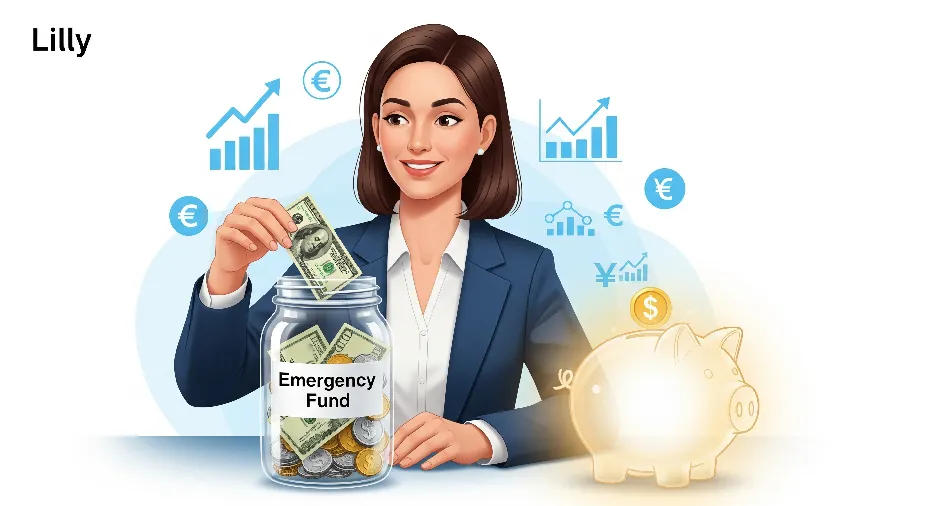
Why Emergency Savings Are Essential
An emergency fund is not just money—it’s security. Unexpected events, such as sudden illness, car repairs, or job loss, can quickly derail finances. By saving in advance, Lilly can:
- Maintain financial stability: Avoid high-interest debt in emergencies.
- Gain peace of mind: Reduce anxiety and make thoughtful decisions.
- Respond quickly: Access funds immediately without financial strain.
Recommended Fund Size for Lilly
Financial experts suggest 3–6 months of essential expenses. Let’s see European examples:
| Country | Average Monthly Expenses | 3-Month Fund | 6-Month Fund |
|---|---|---|---|
| Germany | €1,800 | €5,400 | €10,800 |
| France | €2,200 | €6,600 | €13,200 |
| UK | £1,700 | £5,100 | £10,200 |
| Spain | €1,500 | €4,500 | €9,000 |
Common Challenges When Saving for Emergencies
- Underestimating costs for realistic emergencies.
- Low-interest accounts that don’t keep pace with inflation.
- Mixing emergency funds with daily spending.
- Impulse spending reducing the fund’s growth.
Top Savings Features for Lilly
High-Yield Savings Account (HYSA)
HYSA is safe, insured, and offers higher interest than traditional accounts. Immediate access ensures funds are ready for emergencies. This makes it ideal to answer the main keyword: Lilly wants to save money for unexpected situations like emergencies. Which savings feature would benefit her the most?
Money Market Account (MMA)
Offers competitive interest and flexible access for slightly larger balances. Check-writing and low-risk make it suitable for longer-term storage while keeping liquidity.
Short-Term Certificate of Deposit (CD)
CDs provide fixed interest over a set period. Early withdrawal penalties make them less suitable for urgent access.
Digital Savings Apps
Automates deposits, tracks goals, and provides visual motivation. Interest rates are lower, but convenience is high.
Comparison Table: Which Savings Feature Would Benefit Lilly the Most?
| Feature | Access Speed | Interest Rate | Risk Level | Best Use |
|---|---|---|---|---|
| High-Yield Savings Account | Immediate | 1.5%–4% APY | Very Low | Lilly wants to save money for unexpected situations like emergencies. Ideal for quick access and growth. |
| Money Market Account | Same day / 1 day | 1%–3% APY | Very Low | Flexible access, slightly higher balances. |
| Short-Term CD | Months (penalty for early withdrawal) | 2%–4% APY | Very Low | Good for funds not needed immediately. |
| Digital App Savings | Immediate | 0.5%–2% APY | Low | Automated goal tracking, beginner-friendly. |
Step-by-Step Strategy for Lilly
1. Track Expenses Accurately
Document all essential spending including rent, utilities, groceries, insurance, and transport. Example: Lilly’s monthly essentials in Germany total €1,800.
2. Set Realistic Goals
Start small, €50–100 per month, increasing over time. Track cumulative growth and use projections.
3. Automate Savings
Automatic transfers ensure funds are consistently saved without requiring active effort.
4. Reduce Non-Essential Spending
Subscriptions, dining out, and luxury purchases can be minimized temporarily to boost the emergency fund.
5. Use Windfalls Wisely
Bonuses, tax refunds, and gifts can significantly increase the fund if directed wisely.
6. Choose the Right Account Mix
Combining a HYSA for liquidity and a digital app for automated goals ensures growth and discipline.
7. Monitor and Adjust
Regularly review contributions, interest growth, and make adjustments if expenses increase.
European Scenario Examples
- Medical Emergency: Surgery costs €3,000 in France. Lilly’s HYSA allows immediate withdrawal.
- Car Repair: £800 for a UK car repair. Emergency fund covers it without affecting daily life.
- Job Loss: Six months’ salary saved in HYSA provides stability.
Mistakes to Avoid
- Using emergency funds for non-emergencies.
- Mixing funds with everyday accounts.
- Failing to replenish withdrawals.
- Ignoring inflation; low-yield accounts reduce fund value over time.
Detailed Savings Growth Example
Assuming Lilly saves €100/month in a HYSA at 3% APY:
| Month | Deposit (€) | Interest (€) | Total (€) |
|---|---|---|---|
| 1 | 100 | 0.25 | 100.25 |
| 6 | 100 | 1.52 | 607.77 |
| 12 | 100 | 3.70 | 1,208.47 |
| 24 | 100 | 14.95 | 2,529.42 |
| 36 | 100 | 32.80 | 3,872.22 |
FAQs Featuring the Main Keyword
- Lilly wants to save money for unexpected situations like emergencies. Which savings feature would benefit her the most with low income?
- High-Yield Savings Account allows small monthly contributions and immediate access.
- Lilly wants to save money for unexpected situations like emergencies. Which savings feature would benefit her the most for urgent access?
- HYSA provides immediate liquidity while growing funds safely.
- Can Lilly combine digital apps and HYSA?
- Yes, HYSA for growth and apps for automated tracking and motivation.
- How much should Lilly save for medical emergencies in Europe?
- At least €2,000–3,000 initially, increasing over time based on risk.
- Is a CD suitable for emergencies?
- CDs are less suitable due to early withdrawal penalties, but can complement other savings.
Conclusion
For Lilly, building a reliable emergency fund is essential. Among all options, a High-Yield Savings Account provides the best balance of safety, liquidity, and growth. By combining strategies, monitoring progress, and avoiding mistakes, Lilly wants to save money for unexpected situations like emergencies. Which savings feature would benefit her the most? The answer is HYSA. With consistent effort, she can face unexpected events confidently and securely.